Germany
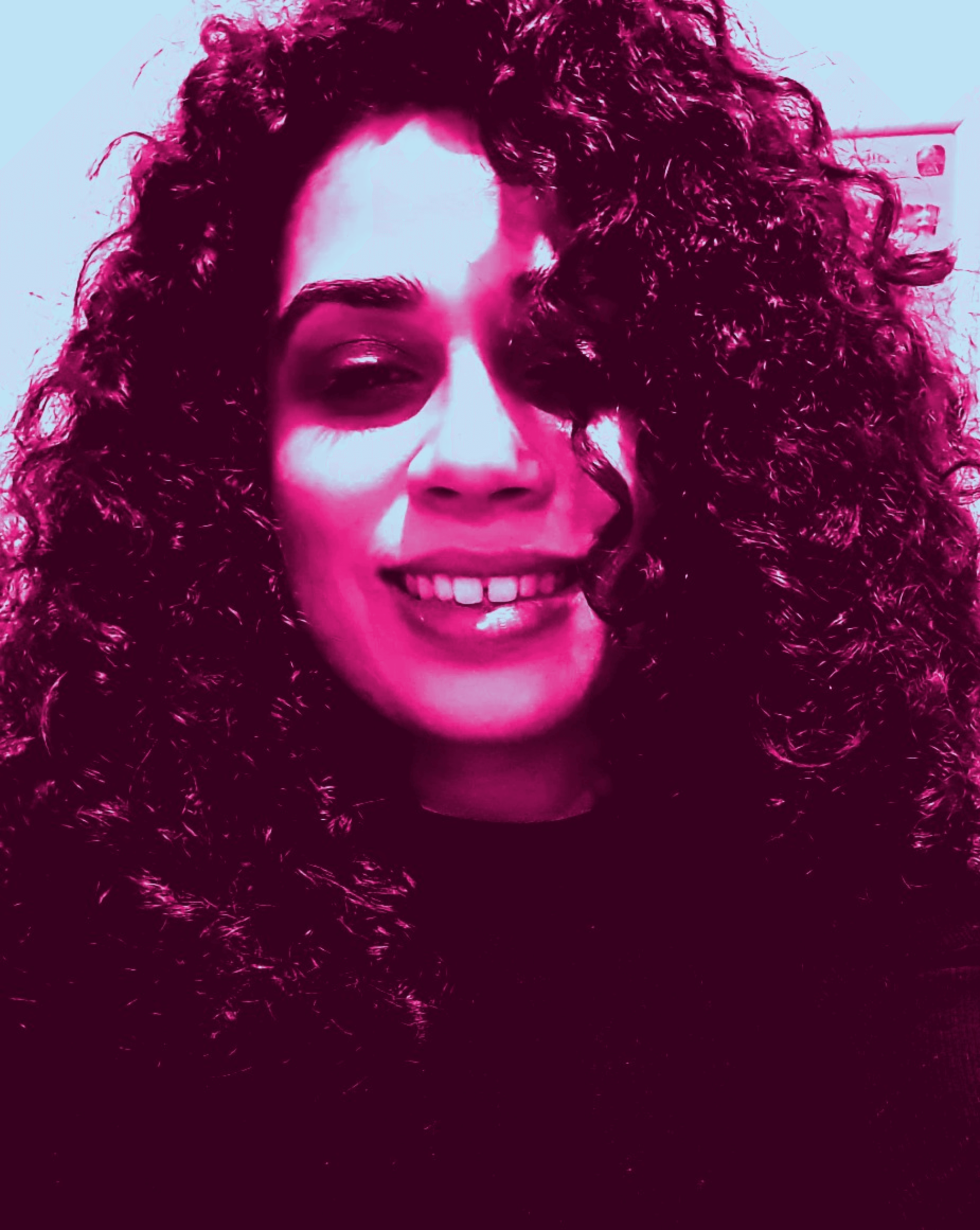
Hi, I'm Yavnika Miglani
Human Factors Engineer & UX Researcher
I drive product decisions through research, usability testing, and deep human insight.
Scroll to Projects
I don't do niches. I do everything.
Too curious to be confined.
Too multifaceted to be defined.
I don't do niches. I do everything.
Too curious to be confined.
Too multifaceted to be defined.
I don't do niches. I do everything.
Too curious to be confined.
Too multifaceted to be defined.
My Projects
Pointless Trails
Case Study
Explore trails effortlessly, customize your hikes, and connect with a community of adventurers—all in one place.
Usability Testing - Tesla Model 3
UX Research | UI Redesign | Usability Testing
Redesigned the Tesla Model 3 cockpit after identifying usability issues and tested improvements for a smooth UX
DIY Hub
DIY Hub
DIY Hub
x
Coduct GmbH
Product Design
Discover AI driven solutions for your home improvement projects.
Discover AI driven solutions for your home improvement projects.
Discover AI driven solutions for your home improvement projects.
Trash Trade
x
Evonik Industries AG
Design Sprint | Product Design
Smarter recyclate procurement—connect with suppliers, streamline deals, and use AI-powered forecasts to stay ahead of demand.
Open to Work
Open to Work
Open to Work
FAQ
FAQ
FAQ
How do you decide what to research and what not to?
I don’t start with methods. I start with risk. What decisions are being made? What assumptions are unvalidated? Where could user error create downstream cost or safety issues? If research won’t influence a decision, I don’t run it. If uncertainty carries risk, I prioritize it. Human factors work should reduce ambiguity in high-impact areas and not generate interesting but unused insights.
What makes a usability issue worth fixing?
Not all friction is equal. I look at severity, frequency, recoverability, and system impact. A minor annoyance that occurs thousands of times may matter more than a rare critical error. I frame findings in terms of performance and consequence — not just preference.
How do you approach complex or high-stakes systems?
I break them down into tasks, decisions, and cognitive load. Complexity often hides in transitions like handoffs, mode changes, unclear system feedback. I map workflows, identify failure points, and examine how the system supports (or fails to support) user reasoning. My goal is to make complexity manageable, not eliminate it unrealistically.
When do you push back on a product decision?
When it conflicts with validated evidence or introduces preventable risk. Human factors is not about making things “nicer.” It’s about preventing foreseeable breakdowns in interaction. If research indicates a high likelihood of error, confusion, or misuse, I advocate for addressing it.
What do you question most often in your work?
Assumptions that go unexamined. Especially the quiet ones about user attention, memory, context, or behavior. Small assumptions, left unchecked, compound into friction or risk. I’ve learned that careful questioning early prevents expensive correction later.
Can you work on a freelance or contract basis?
I’m open to opportunities that align with my skills and interests. If you have a project in mind, feel free to reach out, and we can discuss how I can contribute!
How do you decide what to research and what not to?
I don’t start with methods. I start with risk. What decisions are being made? What assumptions are unvalidated? Where could user error create downstream cost or safety issues? If research won’t influence a decision, I don’t run it. If uncertainty carries risk, I prioritize it. Human factors work should reduce ambiguity in high-impact areas and not generate interesting but unused insights.
What makes a usability issue worth fixing?
Not all friction is equal. I look at severity, frequency, recoverability, and system impact. A minor annoyance that occurs thousands of times may matter more than a rare critical error. I frame findings in terms of performance and consequence — not just preference.
How do you approach complex or high-stakes systems?
I break them down into tasks, decisions, and cognitive load. Complexity often hides in transitions like handoffs, mode changes, unclear system feedback. I map workflows, identify failure points, and examine how the system supports (or fails to support) user reasoning. My goal is to make complexity manageable, not eliminate it unrealistically.
When do you push back on a product decision?
When it conflicts with validated evidence or introduces preventable risk. Human factors is not about making things “nicer.” It’s about preventing foreseeable breakdowns in interaction. If research indicates a high likelihood of error, confusion, or misuse, I advocate for addressing it.
What do you question most often in your work?
Assumptions that go unexamined. Especially the quiet ones about user attention, memory, context, or behavior. Small assumptions, left unchecked, compound into friction or risk. I’ve learned that careful questioning early prevents expensive correction later.
Can you work on a freelance or contract basis?
I’m open to opportunities that align with my skills and interests. If you have a project in mind, feel free to reach out, and we can discuss how I can contribute!
How do you decide what to research and what not to?
I don’t start with methods. I start with risk. What decisions are being made? What assumptions are unvalidated? Where could user error create downstream cost or safety issues? If research won’t influence a decision, I don’t run it. If uncertainty carries risk, I prioritize it. Human factors work should reduce ambiguity in high-impact areas and not generate interesting but unused insights.
What makes a usability issue worth fixing?
Not all friction is equal. I look at severity, frequency, recoverability, and system impact. A minor annoyance that occurs thousands of times may matter more than a rare critical error. I frame findings in terms of performance and consequence — not just preference.
How do you approach complex or high-stakes systems?
I break them down into tasks, decisions, and cognitive load. Complexity often hides in transitions like handoffs, mode changes, unclear system feedback. I map workflows, identify failure points, and examine how the system supports (or fails to support) user reasoning. My goal is to make complexity manageable, not eliminate it unrealistically.
When do you push back on a product decision?
When it conflicts with validated evidence or introduces preventable risk. Human factors is not about making things “nicer.” It’s about preventing foreseeable breakdowns in interaction. If research indicates a high likelihood of error, confusion, or misuse, I advocate for addressing it.
What do you question most often in your work?
Assumptions that go unexamined. Especially the quiet ones about user attention, memory, context, or behavior. Small assumptions, left unchecked, compound into friction or risk. I’ve learned that careful questioning early prevents expensive correction later.
Can you work on a freelance or contract basis?
I’m open to opportunities that align with my skills and interests. If you have a project in mind, feel free to reach out, and we can discuss how I can contribute!